WHAT IS SHELTER MANAGEMENT ?
Management needs to focus on keeping the standards of the ‘shelter on a level of Animal welfare, which meets the individual animal needs, ensuring their 5 freedoms of welfare as well as keeping the ‘shelters personnel and bank account in a healthy state. Everyone can rescue an animal, but can they commit to keep this animal for the rest of their life? keeping into account that not all animals get adopted. To each adopted animal there will be several long–stayers‘ that you have committed to for the rest of their lives.
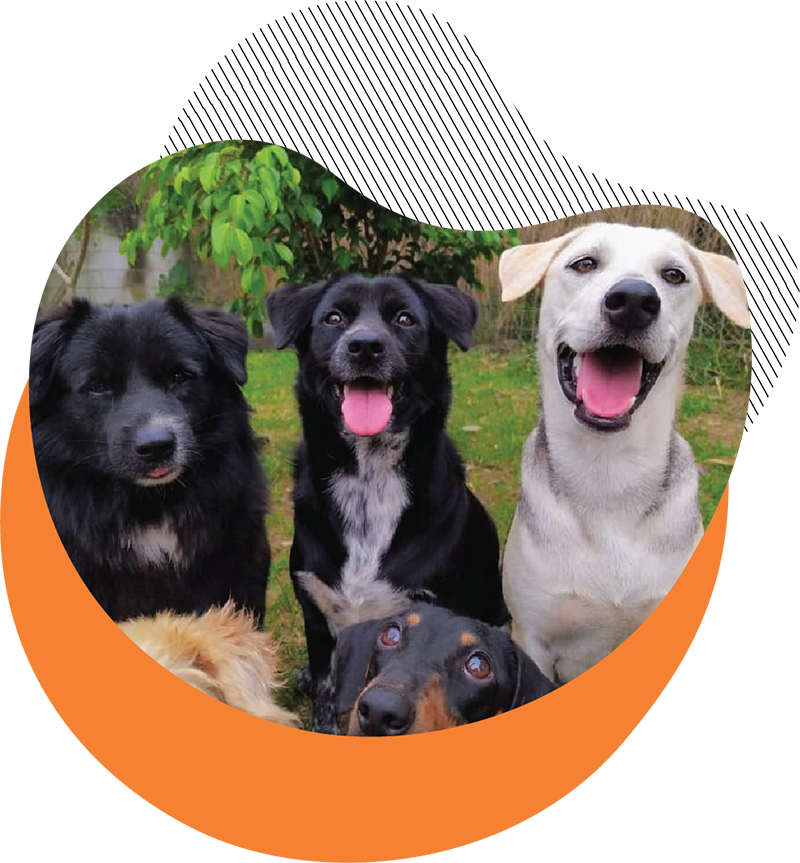
Each individual animal cost adds up every single day. For example: food, veterinary bills, medication, salary caretakers, replacing utensils and maintenance shelter and so on.. Shelter management needs to be able to cover and commit to an animals “whole–life care“.
By. @Loes Schure, DVM, M.VSc
RECORD KEEPING MANAGEMENT
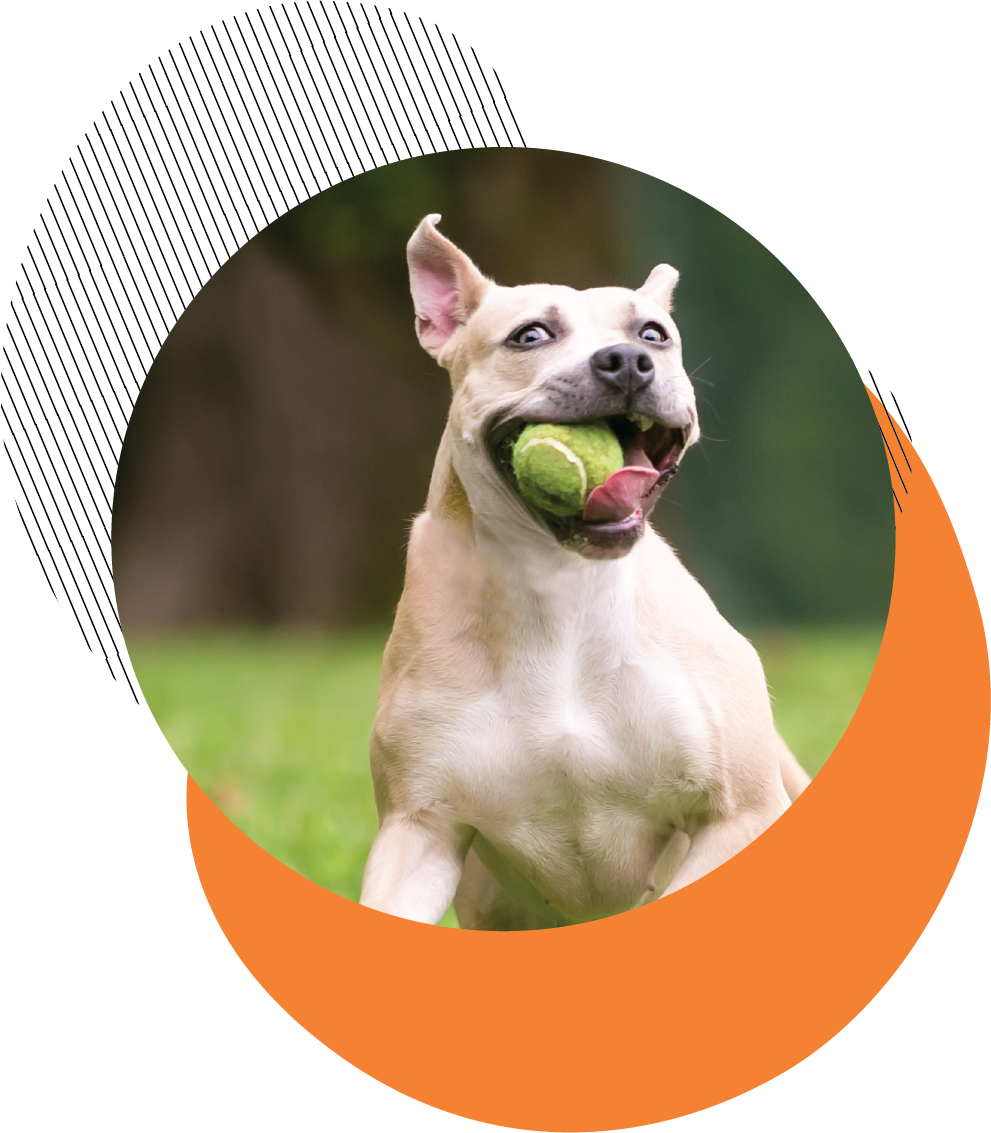
Every individual animal that is entering the shelter, should be identified with a unique marker, whether by giving them name, ID number, microchipping or collar and biodata record consists of medical record and biological data of the animal. The identification chosen for the animal must be of the same type nd should be used for biodata record, medical record and every track record of that individual animal.
Things needed for individual animal record are: identification, name or other identifications such as number, microchip number, where they come from, arrival and departure dates to and from the shelter, species, age, gender, physical description (taste smell color), weight, sterilisation date, vaccination date, date when given anti parasites, medical record and behavioural recording
The basic reason on why we need individual identification and individual record management is to make sure the exact data from every individual and tracing back if there are any record of medical history from individual animal, specifically their medical history and other medical track records. By keeping animal individual biodata record, we can minimize error in giving information on medical history to the veterinarian in the future, repeated drug administration or unnecessary vaccination, or other medical errors caused by no identifications and animal individual record file
Animal identification and animal record keeping management in shelter would give shelter management staff easy access to monitor animal health condition, animal behavioral record, communication with veterinarians regarding medical history and also to simplify information sharing when handing over the animal to adopter
References:
Association of Shelter Veterinarians. 2010. Chapter Management and Record Keeping. Guidelines for Standards of
Care in Animal Shelters. https://www.sheltervet.org/assets/docs/shelter-standards-oct2011-wforward.pdf
By: Drh. Mariana K. F. (Jakarta Animal Aid Network)
MANAGEMENT RESCUE AND INTAKE PROCEDURE
Any rescued animal should undergo a veterinary health check by a certified veterinarian. Even though the animal presents itself without health issues, all animals need to undergo a quarantine period until they are fit enough to be vaccinated. Vaccinations, anti parasitical treatment and resolving any other health condition physically or mentally are adamant before introducing the new rescue into the shelter. These measures are the backbone of keeping the animals already in the shelter free from diseases. All rescues, even the ones that look healthy, can unintentionally spread diseases and even death in a shelter.
by @Loes Schure, DVM, M.VSc
HYGIENE AND SANITATION PROTOCOL
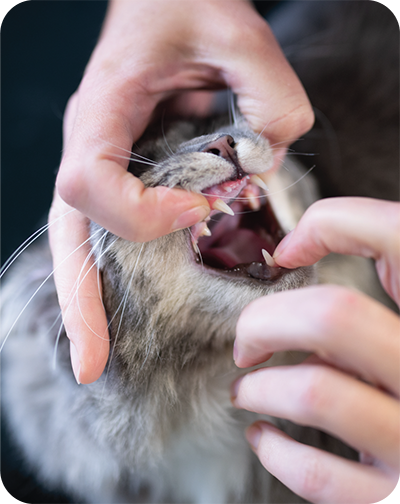
Hygiene and Sanitation are the backbone of keeping your shelter animals and caretakers healthy, happy and thriving. Preventing infectious diseases utbreaks, ensuring each animal‘s individual health as well as preventing zoonosis. Zoonosis is a disease which can be passed from animals onto humans and from humans onto animals. This means that all caretakers and people interacting with animals need to be healthy too. Keeping a hygienic and clean environment ensures the well–being and health of the animals and people working in the shelter and visitors. A good hygiene ensures no infectious diseases can be spread in the shelter. Each shelter needs to train their staff and keep monitoring the hygiene SOP. Areas should be cleaned without giving the animals stress. A continuous system of removal of garbage and faeces from the shelter premises needs to be in place and daily ensured.
oleh @Loes Schure, DVM, M.VSc
DISEASE PROTOCOL

STERILIZATION, WHY IT IS IMPORTANT
Hygiene and Sanitation are the backbone of keeping your shelter animals and caretakers healthy, happy and thriving. Preventing infectious diseases outbreaks, ensuring each animal‘s individual health as well as preventing zoonosis. Zoonosis is a disease which can be passed from animals onto humans and from humans onto animals. This means that all caretakers and people interacting with animals need to be healthy too.
Keeping a hygienic and clean environment ensures the well–being and health of the animals and people working in the shelter and visitors. A good hygiene ensures no infectious diseases can be spread in the shelter. Each shelter needs to train their staff and keep monitoring the hygiene SOP. Areas should be cleaned without giving the animals stress. A continuous system of removal of garbage and faeces from the shelter premises needs to be in place and daily ensured.
Sterilisation reduces the number of unwanted kittens Stray cats reproduce very quickly, and one single pair of cats can be responsible for thousands of unwanted kittens over the course of just a few years. Street cats and kittens are among the most vulnerable animals. They are often the subjects of abuse such as people pouring scalding water or boiling oil on them, tying their necks with rubber bands, breaking their legs, or injuring them in other terrible ways. Infections are very common and many street cats die a slow and painful death without medications.
Many simply starve to death or are killed by being hit by cars or motorcycles. Besides reducing the population of stray cats, sterilisation improves the health of the cats, thereby improving the quality of their lives. In addition, the vaccinations protect them against disease that can make them sick and can affect humans. A healthy cat population in an area keeps away other stray cats that may bring illness to that area.
Removing cats from an area is absolutely counterproductive. When you take away the current resident cats – the area will very soon be replaced by newcomers which are not sterilised or vaccinated! Then the process of sterilising and vaccinating must start all over again – a costly and unnecessary undertaking.
Moreover, this counter productive action of disposing of (in a way: killing) cats living in neighbourhoods sets a very poor example and sends a negative message about the compassion of the community at large. Each citizen should learn the good values of responsibility and compassion towards their immediate living environment Ethical and compassionate solutions can easily be found to conflict issues raised by a person or two, who don‘t understand the importance of teaching kindness towards innocent animals. Bringing harm to the voiceless animals is never the solution.
We can‘t ignore the fact that we share this planet with all other species, cats, dogs and other stray animals are found all over the world. As responsible adults We have a moral duty and responsibility to teach people to always do what is right and not harm living beings. We have a collective duty to teach people a sense of compassion towards their fellow man and towards all living beings.
Animal
Shelter Role

8 Ideal Criteria for
Hygiene Products That
Can Be Used in Shelters
Vaccination
Protocol
in Shelter
5 Steps to Take When
you Find a Sick Animal
at the Shelter
8 Points for Observing
Animal Behavior in
Shelters

