Why Is an Isolation Room Important in Animal Shelters?
By : Drh.Mikeu Paujiah, M.M
In animal shelter management, there is one facility that is often considered unnecessary or postponed until funding is available: the isolation room.
In fact, an isolation room is not merely an optional addition—it is a vital component in maintaining the health of the entire shelter population.
What Is Isolation Housing?
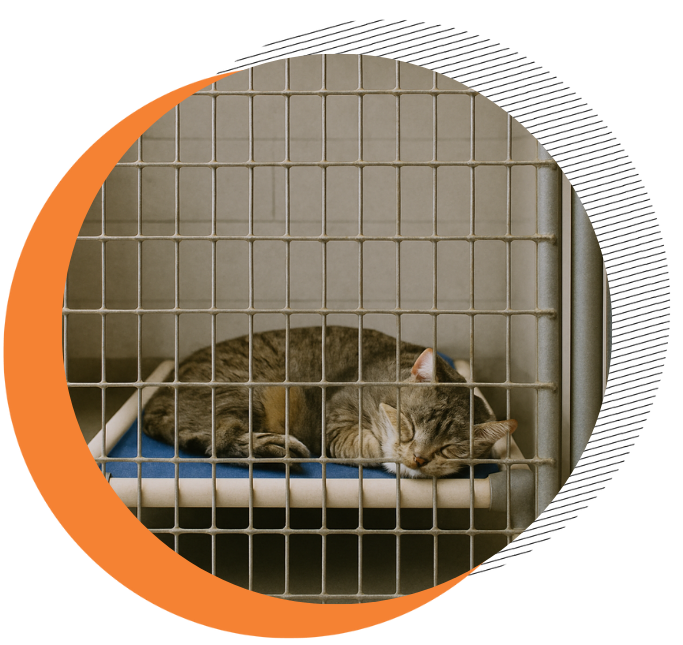
Isolation housing is a designated space used to separate animals that are sick, injured, or suspected of carrying infectious diseases from other animals in the shelter.
This space should:
-
Be physically separated from general housing areas
-
Have proper sanitation and ventilation systems
-
Be equipped with basic medical supplies and hygienic procedures
Why Is It Important? Here Are the Reasons:
1. Prevents the Spread of Disease
Many animal diseases are transmitted through the air (such as feline flu), direct contact, or bodily fluids.
Without isolation, one cat with flu symptoms can infect ten others within days.
2. Protects Newly Admitted Animals That May Not Show Symptoms Yet
Some infectious diseases have incubation periods. Newly admitted animals may appear healthy but could be carriers of viruses or parasites.
Therefore, initial isolation (quarantine) for 7–14 days is highly recommended before animals are mixed with the general population.
3. Improves Treatment Effectiveness
Sick animals need a calm environment and focused care. In isolation housing, treatment can be more closely monitored, medication dosing is better controlled, and animals are not disturbed by others.
4. Facilitates Hygiene and Sanitation Management
Isolation areas simplify the management of food bowls, litter boxes, and cleaning routines, reducing the risk of cross-contamination.
5. Maintains the Trust of Adopters and Donors
Adopters want to take home healthy animals. Donors also want assurance that the shelters they support uphold responsible health and welfare standards.
“But We Don’t Have a Large Space…” — There Are Solutions
Isolation does not require a sophisticated building. You can start by:
-
Providing designated cages in a separate room
-
Dividing areas using thick plastic curtains
-
Establishing staff SOPs for handling isolated animals (separate gloves, disinfectants, etc.)
What matters most is having a clear boundary between healthy animals and those under medical observation.
What Do International Guidelines Say?
According to the ASV Guidelines for Standards of Care in Animal Shelters:
“Shelters must provide medical isolation housing that allows for appropriate control of disease transmission.”
Similarly, the RSPCA Australia Shelter Guidelines state:
“Failure to isolate infectious animals increases the risk of outbreaks and compromises the welfare of the entire population.”
Simple Checklist: Does Your Shelter Have an Adequate Isolation System?
-A designated room or cage for isolation
-No mixing with healthy animals
-Cleaning schedules and staff SOPs for isolation areas
-New animals undergo a 7–14 day quarantine period
-Medical records for isolated animals are properly documented
If 3 out of 5 items are not met → your shelter is at high risk of mass disease transmission.
Closing: Isolation Is Not Exclusion—It Is Protection
In animal shelters, isolation does not mean abandoning sick animals. On the contrary, it is an act of compassion: providing a safe space for recovery while protecting others.
Do not wait for an outbreak to realize the importance of isolation.
Start with simple measures, but apply them consistently.
Because one small isolation room can save the entire shelter population.
Reference:
- The Association of Shelter Veterinarians (ASV). Guidelines for Standards of Care in Animal Shelters. 2010.
https://www.sheltervet.org - RSPCA Australia. Shelter Guidelines and Companion Animal Standards. 2018. https://www.rspca.org.au

