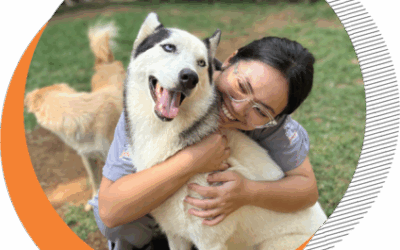
Children & Pets: Playmates and Unexpected Empathy Teachers
Having a pet is not only enjoyable for children but also brings tremendous benefits for their growth and development. “Children and pets: playmates and empathy teachers”—this is the dual role animals play in a child’s life, a role we often overlook.
Let’s explore how pets can positively influence a child’s overall development.
By : Drh. Mikeu Paujiah, Dipl. Montessori & Maryam, S. Kom
Behind the adorable antics of cats, dogs, or rabbits lie valuable life lessons that help children grow into more loving, patient, and responsible individuals.
Many parents assume that having a pet simply adds to household chores. In reality, the presence of a pet can offer a fun and deeply meaningful learning experience for children. When children interact with pets, they’re not just playing—they’re learning to understand the feelings of another living being. And in today’s fast-paced world, teaching empathy to children can be challenging. Fortunately, pets can serve as patient and loyal “teachers” of important life values.
Let’s explore how pets can positively influence a child’s overall development.
Learning Empathy from Furry Friends
Children who regularly interact with pets tend to be more sensitive to the feelings of other living beings. They learn that animals can feel hunger, loneliness, and happiness. By feeding, petting, or simply spending time with their pets, children are trained to consider needs beyond their own.
This development of empathy extends beyond their bond with animals—it also influences their social life. Children become more caring toward sad friends and more patient in their interactions with others.

Teaching Responsibility from an Early Age
Taking care of a pet isn’t just about playing. Children learn the meaning of responsibility when they are asked to feed their pets on time, clean cages, or take them for a walk. These activities help build routines and a sense of discipline that are valuable in everyday life.
Tips to help children feel involved and responsible:
-
Involve them in choosing the type of pet.
-
Create a pet care schedule together.
-
Praise them when they complete their tasks well.
Boosting Confidence and Emotional Regulation
A loving relationship with a pet can help children manage their emotions in a healthier way. When children feel sad or stressed, the presence of a pet can be a calming source of comfort. They can express their feelings without fear of judgment.
Additionally, when children see their pet thriving thanks to their care, it boosts their self-confidence.
Suitable for Children with Special Needs
Children on the autism spectrum, with ADHD, or emotional challenges often show positive progress when interacting with animals. Numerous studies show that animal-assisted therapy can help improve focus, communication skills, and emotional regulation in children with special needs.
Playing Together, Learning Together
Pets can be more than just playmates for children. They can be “empathy teachers” who help shape character, build responsibility, and support emotional growth. With proper parental supervision and guidance, the relationship between children and pets can become an extraordinary journey of growth.
Reference :
Deng, L.-Y., Liu, L., Xia, C.-C., Lan, J., Zhang, J.-T., & Fang, X.-Y. (n.d.). Frontiers. Frontiers in Psychology, 8. https://doi.org/10.3389/fpsyg.2017.00526
Pets and children. (n.d.). Retrieved April 9, 2025, from https://www.aacap.org/AACAP/Families_and_Youth/Facts_for_Families/FFF-Guide/Pets-And-Children-075.aspx
Related Post :

Ethical Animal Handling: The Foundation of Animal Welfare in the Modern Era

Not Just a Fashion Statement: Carrying Cats Should Prioritize Welfare, Not Aesthetics

More Than Just Style: Ethical Ways to Carry Cats According to Animal Welfare Principles
I’m Not Trash: The Story of a Cat Who Was Once Abandoned
Build Your Child’s Responsibility Through Pet Care