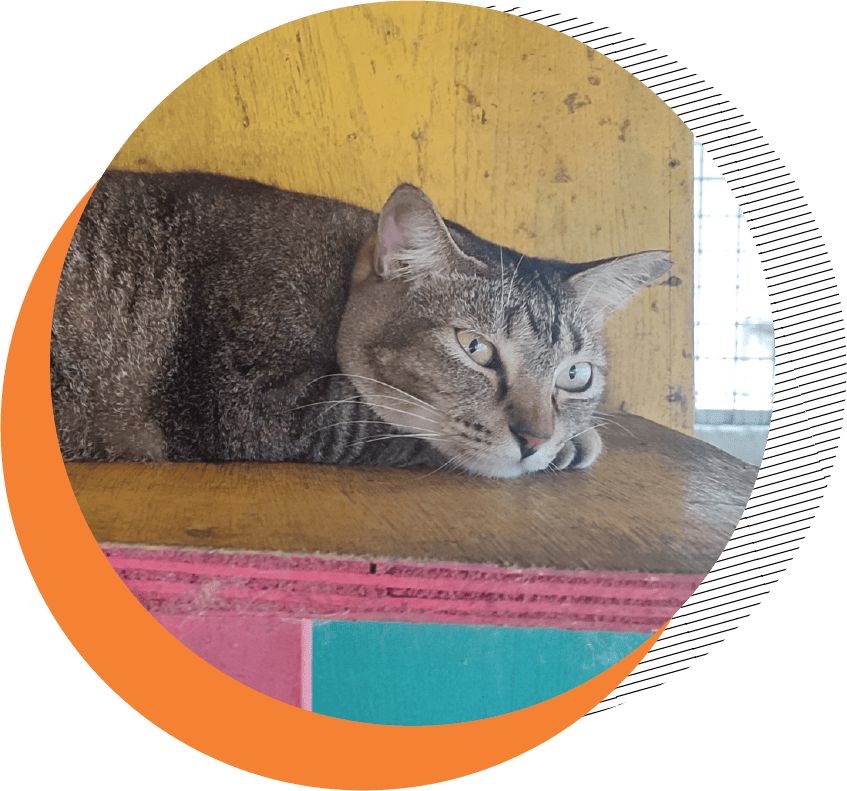
Adoption: The Key to Helping Animal Shelters Operate Better
By : Drh. Mikeu Paujiah
Stray animal shelters play a vital role in providing protection and care for abandoned, injured, or abused animals. However, the sustainability of these shelters heavily depends on community support, one of which is through the adoption process.
Here are several reasons why adoption is crucial and how it helps animal shelters operate more effectively.
1. Reducing Overcrowding in Shelters
Stray animal shelters often face severe overcrowding due to the continuous influx of animals. Increasing adoption rates can:
- Reduce Stress and Disease Risk: A high adoption rate prevents overcrowding, allowing animals to receive better care and live in a more comfortable environment.
- Minimize Euthanasia: A lower number of animals in shelters helps reduce the likelihood of euthanasia, which is sometimes performed due to resource constraints.
According to data from ASPCA (https://www.aspca.org), an increase in adoption programs significantly reduces the number of animals kept in high-density conditions, improving overall animal welfare.
2. Financial Support for Operations
Adoption not only provides new homes for animals but also helps shelters generate:
- Revenue from Adoption Fees: Many shelters charge an adoption fee, which, although affordable, helps cover operational costs such as food, healthcare, and facility maintenance.
- Donation Support: Successful adoption stories often inspire community members to donate, providing long-term financial stability for shelters.
Information from Humane Society International (https://www.hsi.org) indicates that shelters with active adoption programs tend to have better financial stability, enabling them to invest in improved care and facilities.
3. Raising Public Awareness and Education
Pet adoption also positively impacts public awareness regarding animal welfare by:
- Educating the Public: Adoption campaigns help people understand the importance of responsible pet ownership and preventing animal abandonment.
- Breaking Stigmas: Adoption helps change negative perceptions about shelter animals, proving they deserve love and proper care.
Adoption programs often feature inspiring stories that touch people’s hearts and encourage them to support animal welfare initiatives, fostering a more compassionate community.
4. Encouraging Community and Government Collaboration
Successful adoption programs not only involve shelters but also:
- Community Collaboration: Local organizations, influencers, and volunteers play an active role in spreading awareness and facilitating adoptions.
- Government Support: Many local governments support adoption programs through policies and joint campaigns, ensuring smoother shelter operations.
The involvement of various stakeholders creates a supportive ecosystem for animal welfare.
Conclusion
Pet adoption is a win-win solution for all parties involved. For animals, it provides a second chance to live in a loving environment. For shelters, it alleviates overcrowding, enhances animal welfare, and secures essential funding for operations. Additionally, adoption strengthens awareness and collaboration between communities, animal welfare organizations, and governments.
Support for adoption programs must continue to grow so that stray animal shelters can operate more effectively and provide maximum protection for animals in need.
With increased awareness and participation in adoption initiatives, we can ensure that animal shelters continue to thrive and offer a better life for every animal in need.
Reference :
ASPCA (American Society for the Prevention of Cruelty to Animals).
Website: [https://www.aspca.org](https://www.aspca.org)
Humane Society International.
Website: [https://www.hsi.org](https://www.hsi.org)
The Humane Society of the United States.
Website: [https://www.humanesociety.org](https://www.humanesociety.org)
Related Post :

Ethical Animal Handling: The Foundation of Animal Welfare in the Modern Era
By: drh. Mikeu Paujiah, MMdok. JAAN Domestic Indonesia ShelterAnimal handling is not merely a technique for holding or moving animals. It is a direct reflection of how humans respect the lives of other living beings. In the context of modern animal welfare, ethical...
Why Is an Isolation Room Important in Animal Shelters?
By : Drh.Mikeu Paujiah, M.MIn animal shelter management, there is one facility that is often considered unnecessary or postponed until funding is available: the isolation room.In fact, an isolation room is not merely an optional addition—it is a vital component in...

Not Just a Fashion Statement: Carrying Cats Should Prioritize Welfare, Not Aesthetics
By: drh.Mikeu Paujiah, M.MIn recent years, we have increasingly seen a trend on social media: cats being taken for walks in transparent backpacks that fully expose their bodies to the outside. At first glance, it looks cute, stylish, and adorable. However, when viewed...
More Than Just Style: Ethical Ways to Carry Cats According to Animal Welfare Principles
By : drh. Mikeu Paujiah, M.M.In the era of social media, we often see cats being taken out in transparent backpacks that display their entire bodies to the world. Cute? Perhaps. But is it comfortable and safe for cats? Not necessarily.Cats are highly sensitive beings....
I’m Not Trash: The Story of a Cat Who Was Once Abandoned
I was abandoned. Not because I was naughty. Not because I was sick. But because I was no longer seen as important. A small cardboard box became my last shelter before being thrown to the side of the road. People walked by, some glanced, but none stopped. I stayed...
Build Your Child’s Responsibility Through Pet Care
By: Drh. Mikeu Paujiah, Dipl. MontessoriKeeping a pet is not just about filling leisure time. For children, taking care of a pet can be a powerful way to learn empathy, responsibility, and compassion. However, without proper guidance from parents, this process may be...

